Jogulamba Temple, Alampur
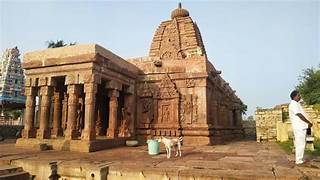
Jogulamba Temple, located in Alampur of Jogulamba Gadwal district, Telangana, is one of the 18 revered Maha Shakti Peethas in India. According to legend, it marks the sacred spot where Sati Devi's upper teeth fell during Lord Shiva's Tandava, making it a powerful center of Shakti worship. The original temple, built in the 7th century by the Badami Chalukyas, was destroyed in 1390 CE by the Bahmani rulers. The deity's idol was safeguarded at the nearby Bala Brahmeswara Temple for centuries. In 2005, the temple was rebuilt at its original site in a traditional Dravidian architectural style. Goddess Jogulamba is depicted in a fierce form, seated on a corpse with scorpion, frog, and lizard motifs in her hair, symbolizing destruction and regeneration. The temple shares its complex with the ancient Navabrahma Temples, situated on the scenic banks of the Tungabhadra River. It draws thousands of devotees, especially during festivals and auspicious occasions.
Gadwal Fort
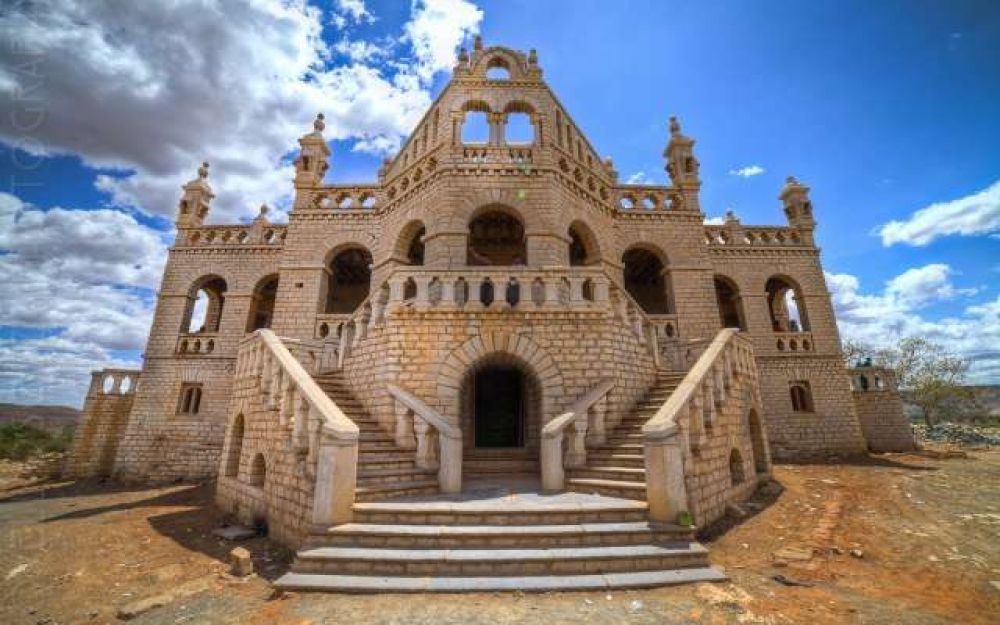
Gadwal Fort, also known as Nalla Somanadri Fort, is a historic marvel located in Gadwal town, Telangana. Built in the 17th century by Raja Peda Soma Bhupaludu (Somanadri), the fort is renowned for its massive stone walls, wide moat, and robust defensive structures that once protected the region from invasions. Spanning over 12 acres, the fort complex houses several ancient temples, including Sri Chennakesava Swamy Temple, Sri Ramalayam, and Sri Venugopala Swamy Temple, each showcasing exquisite carvings and spiritual significance. A major attraction within the fort is the colossal 32-foot-long cannon, believed to have been seized from the Nawab of Kurnool. This mighty weapon stands as a proud symbol of the fort's military strength. The fort's architecture reflects a blend of Hindu and Islamic styles. Today, it draws history enthusiasts and pilgrims alike, offering insights into the rich heritage of the Gadwal Samsthanam and the region's glorious past.
Jurala Dam (Priyadarshini Project)
.jpeg)
Priyadarshini Jurala Project, widely known as Jurala Dam, is a major multipurpose irrigation and hydroelectric project on the Krishna River near Gadwal in Telangana. Commissioned in 1995, the dam spans 1,322 meters and rises to a height of 40 meters, forming a reservoir that covers 67 square kilometers with a storage capacity of around 11.94 TMC. The dam not only supports irrigation for over 100,000 acres but also houses the Priyadarshini Jurala Hydroelectric Project, generating 234 MW of power through six turbines. The scenic location of the dam makes it a popular spot for visitors, especially during the monsoon when boat rides are available. Nearby attractions include a deer park and temples such as Ramalayam and Parthasaradhi. Easily accessible from Gadwal and Mahbubnagar, Jurala Dam offers a blend of engineering excellence, natural beauty, and cultural significance, making it a notable destination.